AN OFFICIAL SITE OF THE UNITED STATES OF AMERICA REPUBLIC NATIONAL GOVERNMENT
Get to know us
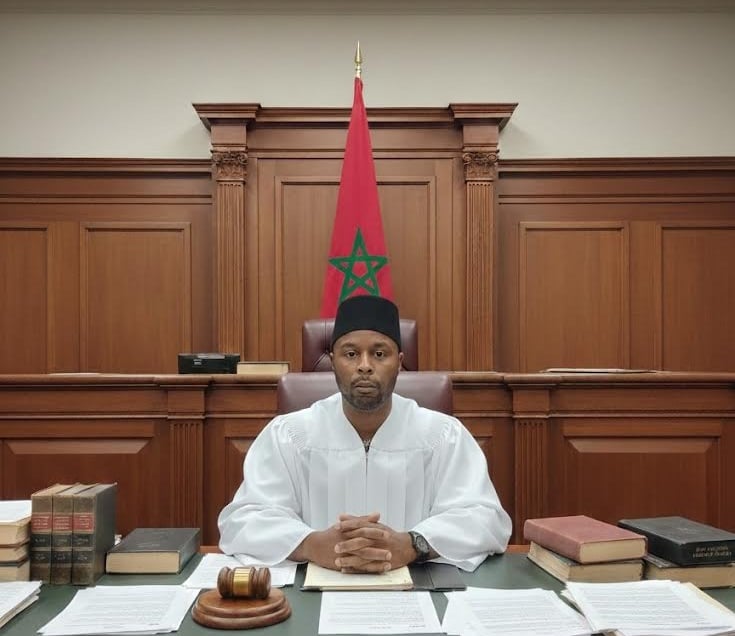
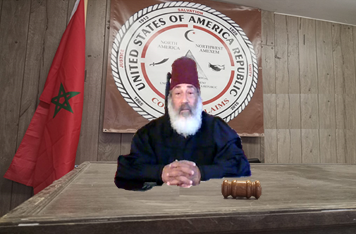
Chief Justice serves as the presiding leader of a court and is responsible for ensuring the fair, efficient, and impartial administration of justice. As the head of the judiciary, the Chief Justice oversees court operations, guides judicial policy, and provides leadership to judges, clerks, and court personnel.
In addition to hearing and deciding cases, the Chief Justice manages court procedures, assigns cases when appropriate, and works to uphold the integrity, independence, and professionalism of the judicial branch. Through strong leadership and a commitment to the rule of law, the Chief Justice helps maintain public confidence in the courts and ensures that justice is administered consistently and effectively.
Chief Justice
Alexander- Robinson: El
Associate Justice
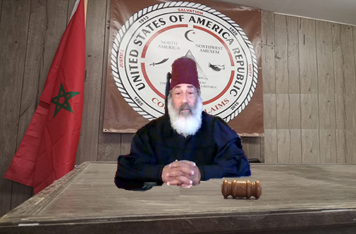
Associate Justices serve as a guardian of the law, ensuring that legal proceedings are conducted fairly, impartially, and in accordance with established statutes and constitutional principles. Tasked with interpreting and applying the law, a Justice presides over hearings, reviews legal arguments, evaluates evidence, and issues rulings that uphold due process and protect the rights of all parties. Committed to integrity, accountability, and judicial independence, a Justice provides clear legal reasoning in written opinions and decisions. Through measured leadership and adherence to ethical standards, the role strengthens public confidence in the court and supports the consistent administration of justice authorized by the Constitution of the United States of America Republic.


Associate Justice


Clerk of Court
Associate Justice


Damien-Walker: Bey
Damien-Walker: Bey
Mannie-Smalls: El
Damien-Walker: Bey
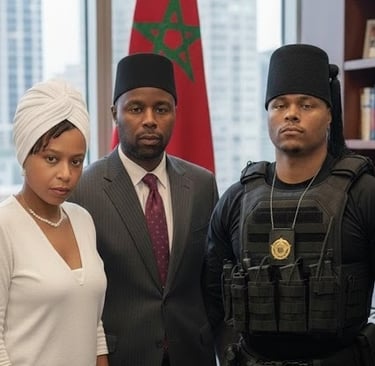
Our People and Our Culture
Within this cultural framework, civic responsibility, self-governance, and adherence to national principles are emphasized as central values. Their traditions place importance on identity, nationality, and the preservation of customs rooted in history, law, and community order.
Institutions emphasize principles of sovereignty, due process, and the protection of rights as understood within their national and cultural framework. Court administration typically focuses on maintaining order, ensuring fair hearings, preserving records, and upholding established national laws and constitutional principles. Leadership within these courts will operate with integrity, impartiality, and respect for both cultural heritage and structured legal process.

UNITED STATES OF AMERICA REPUBLIC
ADDRESS: USAR COURTS
© 2025. All rights reserved.
NATIONAL COURTS
1499 MLK DR, STE 64102
PROVINCE INDIANA, 46402
Email:: court@usarcourtsgov.us